Innovative Translational Studies in Cholestatic Disorders
Nov
09
2025
Convention Center: Room 202, Level 2
11:00 AM
- 12:30 PM
World Class Speakers
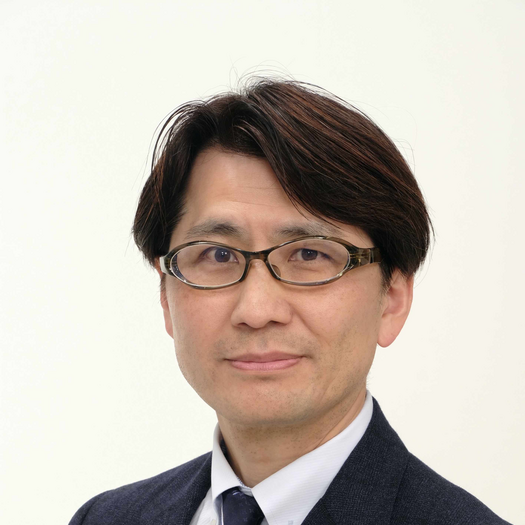
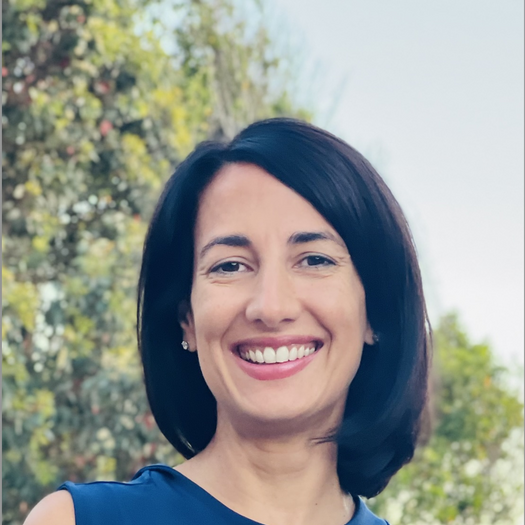
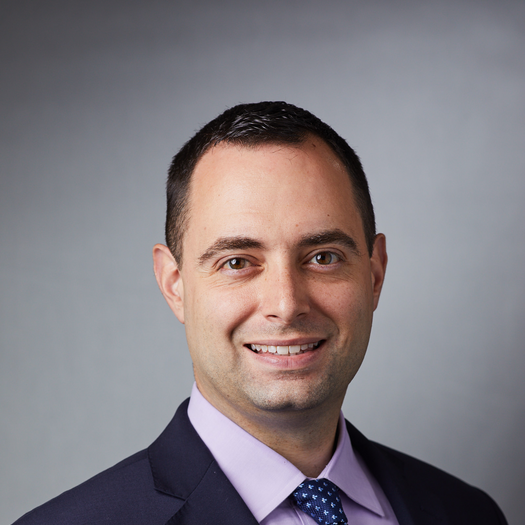
Description
Deeper investigations into the pathogenesis of AIH, PBC and PSC requires application of novel tools. This session highlights new discoveries in human and pre-clinical models of autoimmune and cholestatic disorders by the application of modern sophisticated analyses.
Journey Maps
Presentations
11:00 AM
- 11:15 AM
Oct
08
2026
Convention Center - Room 202, Level 2
Single-nuclei RNA sequencing of human liver identifies cell type signatures that distinguish autoimmune hepatitis from disease controls
Kazumichi Abe, MD, PhD
, Abstract Presenter
Cholestatic and Autoimmune
11:15 AM
- 11:30 AM
Oct
08
2026
Convention Center - Room 202, Level 2
Candida albicans Contributes to Liver Fibrosis in Primary Sclerosing Cholangitis
Monika Sarkar, MD, FAASLD, MAS
, Abstract Presenter
Cholestatic and Autoimmune
11:30 AM
- 11:45 AM
Oct
08
2026
Convention Center - Room 202, Level 2
Role of the autophagy inhibitor Rubicon in a PSC mouse model
David N. Assis, MD
, Abstract Presenter
Cholestatic and Autoimmune
11:45 AM
- 12:00 PM
Oct
08
2026
Convention Center - Room 202, Level 2
Identification of BST2, IL18R1, IL4R, and KCNJ11 as associated with pruritus response to elafibranor in patients with primary biliary cholangitis: Proteomic results from the ELATIVE® trial
Kazumichi Abe, MD, PhD
, Abstract Presenter
Cholestatic and Autoimmune
12:00 PM
- 12:15 PM
Oct
08
2026
Convention Center - Room 202, Level 2
Identification of anti-DOK2 antibodies in patients with autoimmune hepatitis via a human protein microarray
Kazumichi Abe, MD, PhD
, Abstract Presenter
Cholestatic and Autoimmune
12:15 PM
- 12:30 PM
Oct
08
2026
Convention Center - Room 202, Level 2
Spatially resolved single-cell analysis of PSC liver explants reveals niche-specific disease effects.
David N. Assis, MD
, Abstract Presenter
Cholestatic and Autoimmune
Objectives
- Outline the roles played by multiple cell types in the pathogenesis of PBC and PSC.
- Discuss the findings from new investigations into targets for AIH.
- Describe the potential roles for fungal products as contributors to the pathogenesis of PSC.