MASH: Promising Aspects from the Bench
Nov
09
2025
Convention Center: Ballroom A, Level 3
11:00 AM
- 12:30 PM
World Class Speakers

Description
Abstract Parallel sessions feature oral presentations from the authors of highly-rated abstracts submitted for presentation at The Liver Meeting.
Journey Maps
Presentations
11:00 AM
- 11:15 AM
Oct
09
2026
Convention Center - Ballroom A, Level 3
Hepatocyte-macrophage crosstalk rewires liver zonation features in metabolic dysfunction-associated steatotic liver disease (MASLD)
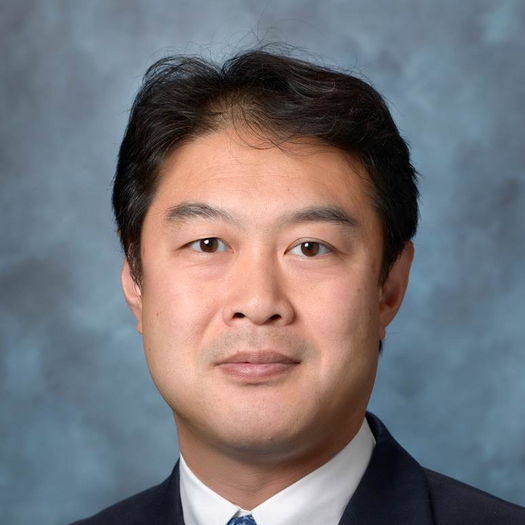
Ekihiro Seki, MD, PhD, FAASLD
, Abstract Presenter
MASLD
11:15 AM
- 11:30 AM
Oct
09
2026
Convention Center - Ballroom A, Level 3
Sexually Dimorphic Palmitoylation of UTY of Liver Sinusoidal Endothelial Cells Drives Advanced Metabolic Dysfunction-Associated Steatohepatitis (MASH) via PGF2α/SPIN1 Axis
Gyongyi Szabo, MD, PhD, FAASLD
, Abstract Presenter
MASLD
11:30 AM
- 11:45 AM
Oct
09
2026
Convention Center - Ballroom A, Level 3
Neutrophil Extracellular Traps Drive B Cell–Mediated Fibrogenesis in MASH by Silencing HES1 and Promoting Plasma Cell Differentiation
Ekihiro Seki, MD, PhD, FAASLD
, Abstract Presenter
MASLD
11:45 AM
- 12:00 PM
Oct
09
2026
Convention Center - Ballroom A, Level 3
Generation of multilineage, highly vascularized liver organoids enable disease modelling and exhibit transplantation potential
Gyongyi Szabo, MD, PhD, FAASLD
, Abstract Presenter
MASLD
12:00 PM
- 12:15 PM
Oct
09
2026
Convention Center - Ballroom A, Level 3
Deletion of LYPLAL1 Reduces Cellular Uptake of Fatty Acids and Promotes Mitochondrial β-oxidation to Protect Against Metabolic Dysfunction-Associated Steatotic Liver Disease (MASLD)
Ekihiro Seki, MD, PhD, FAASLD
, Abstract Presenter
MASLD
12:15 PM
- 12:30 PM
Oct
09
2026
Convention Center - Ballroom A, Level 3
Loss of Dnmt1 in hepatocytes promotes inflammation and fibrosis during MASLD/MASH development in mice
Gyongyi Szabo, MD, PhD, FAASLD
, Abstract Presenter
MASLD
Objectives
- Highlight emerging mechanistic insights and molecular pathways implicated in MASH pathogenesis that may inform novel therapeutic targets.
- Present preclinical data and innovative experimental models contributing to the understanding and future management of MASH.