Susan L. Orloff, MD, FACS, FAASLD
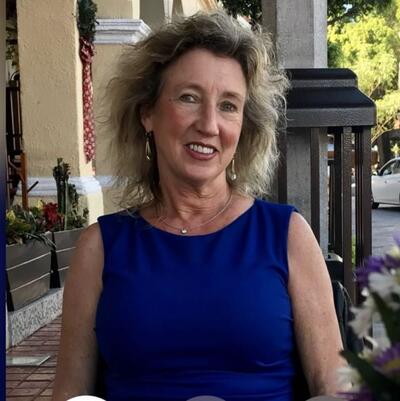
Susan L. Orloff, MD, FACS, FAASLD
The hepatology and liver transplantation communities mourn the loss of Susan L. Orloff, MD, FACS, FAASLD: surgeon, physician-scientist, leader, mentor, colleague, wife, mother, and friend. Susan’s career reflected the values that sustain academic medicine at its best — commitment to patients, intellectual rigor, service to the profession, and generosity toward colleagues and trainees.
Susan was among the women who helped define a place for women in transplant surgery at a time when that path was not well established. She did so not by calling attention to herself, but through steady excellence, discipline, and resolve. From early in her training, she encountered assumptions about what women could or should do in surgery. She met those assumptions with work, composure, and achievement. In doing so, she helped widen the path for those who followed.
Her resilience was evident throughout her life. During fellowship training at the University of California, San Francisco (UCSF), a serious bicycle accident fractured her spine in multiple places and threatened to end her surgical career before it had fully begun. She was told that she might never tolerate the physical demands of standing at the operating table. Susan responded with months of rehabilitation and determination. She returned to surgery with a deeper understanding of perseverance, vulnerability, and hope — qualities that informed her care of patients and her relationships with colleagues.
After training at UCSF, Susan built a distinguished career at Oregon Health & Science University and the Portland VA Medical Center. She served as Professor of Surgery, Head of the Division of Abdominal Organ Transplantation, Director of Liver and Kidney Transplantation at the Portland VA, and Vice Chair of Research in the Department of Surgery. She was widely respected as a transplant surgeon and hepatobiliary surgeon, and she brought the same seriousness of purpose to the laboratory as she did to the operating room.
Her clinical achievements were matched by sustained scientific contributions. Through an NIH- and VA-funded laboratory, Susan pursued a long-standing program of investigation into cytomegalovirus, transplant vascular sclerosis, chronic rejection, and long-term allograft outcomes. Her work helped clarify the biologic links between viral infection, immune activation, vascular injury, and graft failure, including influential studies of CMV-accelerated chronic rejection, chemokine expression, viral chemokine-receptor pathways, and CMV latency in experimental transplant models. Her scholarship — spanning more than 130 peer-reviewed publications, numerous book chapters, and editorial and textbook contributions — reflected the breadth of a surgeon-scientist committed to discovery, patient care, and the training of future leaders.
Susan’s service to the American Association for the Study of Liver Diseases was an important expression of her commitment to the broader liver community. As a Fellow of AASLD and a member of its Governing Board, she brought the perspective of a transplant surgeon, scientist, and program leader to the Association’s work. She understood that the care of patients with liver disease depends on collaboration across disciplines, and she helped strengthen the connection between hepatology and transplant surgery. In AASLD, as elsewhere, Susan was prepared, thoughtful, and direct. She asked careful questions, contributed with humility, and remained focused on the patients and communities served by the field.
Those who worked with Susan will remember not only what she accomplished, but how she carried herself. She was principled, energetic, and deeply committed. She could be direct, but she was also generous. She had a gift for making people feel seen and supported, whether they were patients, trainees, colleagues, or friends. She showed up for people, often quietly and without ceremony. Her warmth, humor, curiosity, and loyalty were central to who she was.
Susan cared deeply about fairness and mentorship. Her own experiences as a woman in surgery informed her commitment to equity, teamwork, and professional cultures in which others could thrive. She encouraged younger physicians to stay true to their values, persevere through discouragement, ask for help, build strong teams, and make room for the relationships and passions that give life meaning beyond work. This advice carried weight because she lived it.
In her final battle with cancer, Susan faced illness with the same courage and steadiness that had marked her life. Even through complications, uncertainty, and difficult treatment, she continued to hope, connect, and fight. Her resilience in those months was deeply moving to those who loved her.
Susan Orloff leaves an enduring legacy in transplant surgery, hepatology, science, mentorship, and service. She expanded what was possible for patients, for women in surgery, and for the liver professionals fortunate enough to work beside her. She leaves behind her husband, Robert Hart, MD, and her children, Annie and Jackson, whose love and pride were central to her life. We honor her achievements, and we remember the way she lived: with courage, integrity, generosity, and love.