Erratum
16 June 2022
16 June 2022
Zhen Wang, Wei Gao, Chong Dong, Chao Sun, Kai Wang, Wei Zhang, Zhuolun Song, Hong Qin, Chao Han, Yang Yang, Fubo Zhang, Min Xu, Weiping Zheng, Zhongyang Shen – 16 June 2022 – The lower limit of body weight for “splitable” liver grafts remains unknown.
Pedro Ochoa‐Allemant, Hirsh D. Trivedi, Behnam Saberi, Alan Bonder, Zachary P. Fricker – 16 June 2022 – Lean individuals with nonalcoholic fatty liver disease (NAFLD) represent a subset of patients with a distinct risk factor profile. We assessed the association between body mass index (BMI) on waitlist and postliver transplantation (LT) outcomes among these patients. We retrospectively analyzed the United Network for Organ Sharing data, including adult patients with NAFLD listed for LT between February 27, 2002, and June 30, 2020.
Long Xu, Yang Yang, Jiali Jiang, Yankai Wen, Jong‐Min Jeong, Christoph Emontzpohl, Constance L. Atkins, Kangho Kim, Elizabeth A. Jacobsen, Hua Wang, Cynthia Ju – 16 June 2022
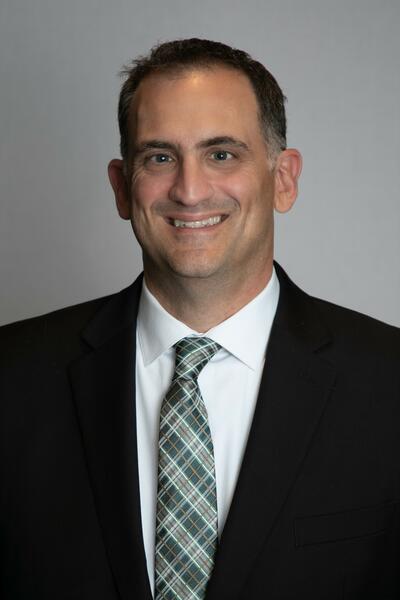
Matthew R. D’Uva is the Chief Executive Officer of the American Association for the Study of Liver Diseases (AASLD), the premier organization of scientists and health care professionals committed to preventing and curing liver diseases. As CEO, Matthew is responsible for leading the 50 person staff team in the implementation of the association’s strategic plan.
Matthew has decades of association experience including serving in two prior CEO roles, most recently, as CEO of the International Association for the Study of Pain (IASP), a global interdisciplinary healthcare society with nearly 7,000 members in 125 countries.
Matthew holds an MBA from the Robert H. Smith School of Business, University of Maryland and a B.A. degree in International Relations from Tufts University. Matthew been named a Fellow of the American Society of Association Executives (ASAE) and holds the designation of Certified Association Executive (CAE). He is an active member of ASAE where he has served as of a member of the ASAE Board of Directors and the ASAE Foundation Board of Directors. He has also served on number ASAE Committees and Task Forces including the Individual Awards Committee (Chair), Fellows Selection Committee (Chair), Public Policy Committee (Chair), Innovation Task Force (Chair), and Diversity and Inclusion Committee. He actively participates as a speaker at many association meetings. Matthew also serves as a member of the Healthcare Collaborative Advisory Committee at Association Forum.
A native of Waterbury, CT, Matthew and his wife, Amy Neugebauer reside in Maryland with their two children and one dog.
Manisha Verma, Mayur Brahmania, Brett E. Fortune, Sumeet K. Asrani, Michael Fuchs, Michael L. Volk – 15 June 2022 – Chronic liver disease (CLD) is a progressive illness with high symptom burden and functional and cognitive impairment, often with comorbid mental and substance use disorders. These factors lead to significant deterioration in quality of life, with immense burden on patients, caregivers, and healthcare.
15 June 2022
Vineesh Indira Chandran, Charlotte Wilhelmina Wernberg, Mette Munk Lauridsen, Maria Kløjgaard Skytthe, Sofie Marchsteiner Bendixen, Frederik Tibert Larsen, Camilla Dalby Hansen, Lea Ladegaard Grønkjær, Majken Storm Siersbæk, Tina Di Caterino, Sönke Detlefsen, Holger Jon Møller, Lars Grøntved, Kim Ravnskjaer, Søren Kragh Moestrup, Maja Sofie Thiele, Aleksander Krag, Jonas Heilskov Graversen – 15 June 2022
15 June 2022