GI Multi-Society Statement Regarding GLP-1 Agonists and Endoscopy
AASLD, ACG, AGA, ASGE and NASPGHAN recognize that the new class of medications known as glucagon-like peptide-1 (GLP-1) receptor...
AASLD, ACG, AGA, ASGE and NASPGHAN recognize that the new class of medications known as glucagon-like peptide-1 (GLP-1) receptor...
¡Ya no más EHGNA! En nuestra lengua Esteatosis Hepatica es el nuevo término general. Y se crea la nueva nomenclatura Esteatosis Hepática Metabólica (MASLD).
Alexandria, VA – The American Association for the Study of Liver Diseases (AASLD) Foundation, the largest medical society...
As AASLD President, it is with immense pleasure and pride that I write to you today to inform you of the next steps for the...
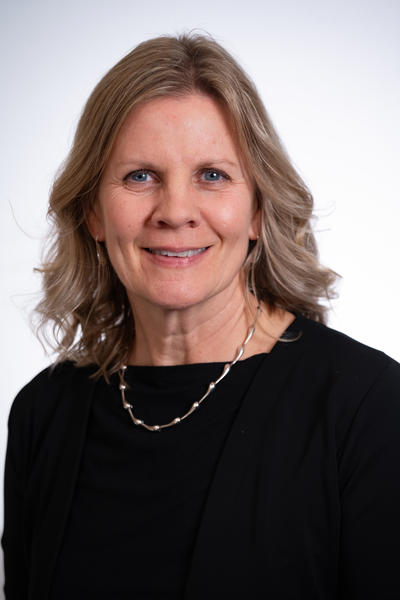
Andrea Gossard is a Certified Nurse Practitioner, an Associate Professor of Medicine and a Director of NP PA practice at Mayo Clinic in Rochester, Minnesota. Her clinical and research interests are focused on the diagnosis and management of cholestatic and autoimme liver diseases including Primary Sclerosing Cholangitis, Primary Biliary Cholangitis, and Autoimmune Hepatitis. She is an Associate Fellow of the American Association for the Study of Liver Disease (AASLD) and Chair of the Hepatology Associates Special Interest Group. In addition, she is a member of the American Gastroenterology Association (AGA) and the American College of Gastroenterology (ACG).
Andrea was one of the founding members of Gastroenterology and Hepatology for Advanced Practice Providers (GHAPP), an association led by Advanced Practice Providers (APPs) and committed to education and professional development of APPs. She remains on the Board of Trustees.
The American Association for the Study of Liver Diseases (AASLD) acknowledges the important open letter by Rainbows in Gastro...
Steatotic liver disease (SLD) is the new overarching term with metabolic dysfunction-associated steatotic liver disease (MASLD)...
No more NAFLD! Steatotic Liver Disease is the overarching term; NAFLD is now MASLD.